
Construction Estimators | Accurate & Reliable Cost Experts
January 2, 2026
Rebar Estimating Services: The Ultimate Guide to Accurate & Cost-Saving Construction Estimates (7 Proven Benefits)
January 5, 2026What Is a Construction Cost Estimator?
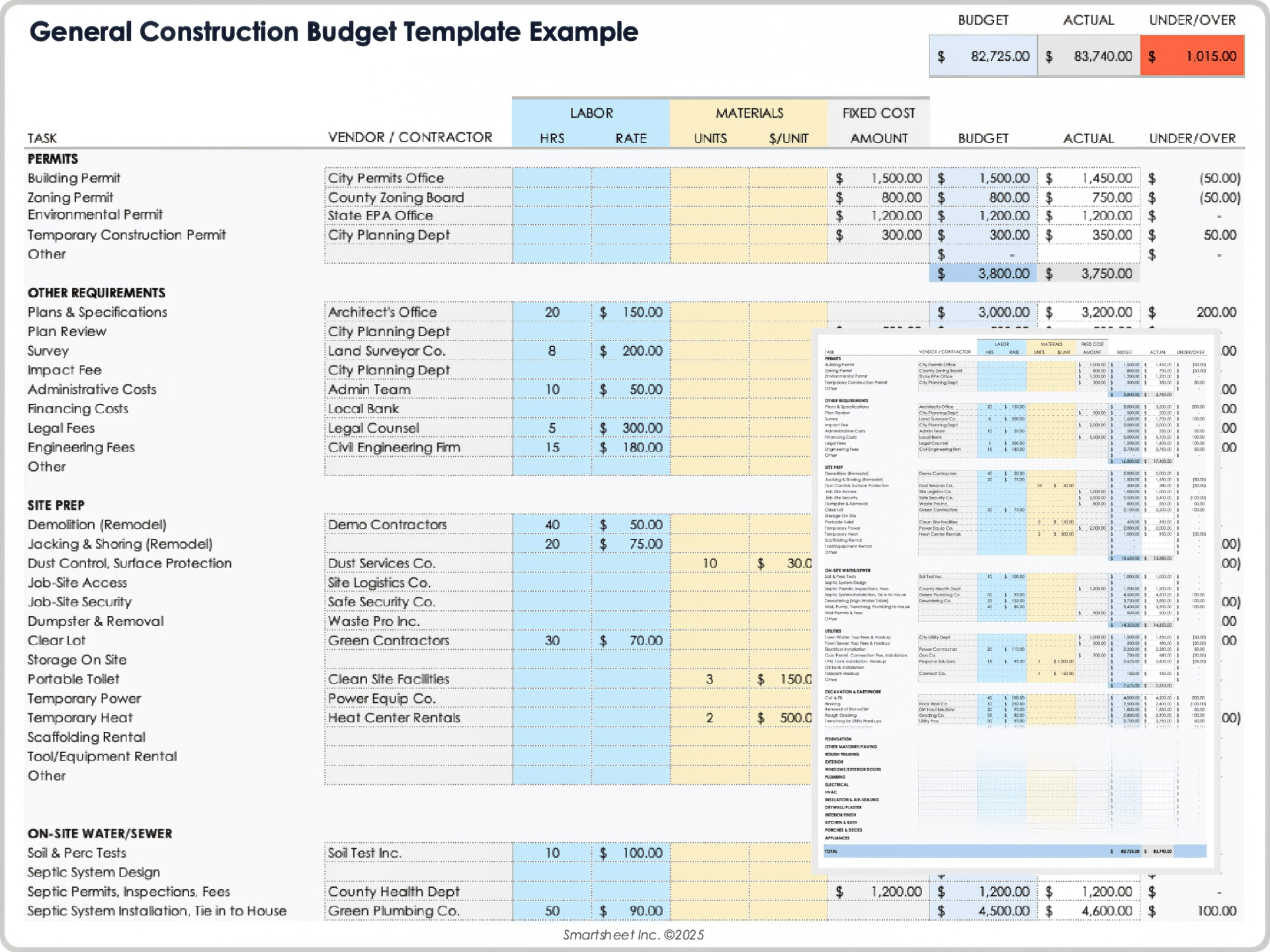
A Construction cost estimator is a professional or digital tool that calculates the total expected cost of a construction project. This includes materials, labor, equipment, permits, overhead, and contingencies. In the United States, where construction costs vary widely by state and city, accurate estimating is essential for financial success.
Definition and Core Purpose
The primary goal of a construction cost estimator is to predict expenses before work begins. This helps owners and contractors avoid budget overruns, secure financing, and make informed decisions early in the project lifecycle.
Why Cost Estimation Matters in the USA
In the USA, construction projects are influenced by regional labor laws, union rates, supply chain volatility, and strict building codes. A reliable estimator ensures compliance while keeping costs under control.
Types of Construction Cost Estimators
Preliminary (Conceptual) Estimates
These are early-stage estimates based on limited design information. They provide a rough budget range and help determine project feasibility.
Detailed Estimates
Prepared once designs are finalized, detailed estimates break down every cost item. They are the most accurate and are often used for financing and scheduling.
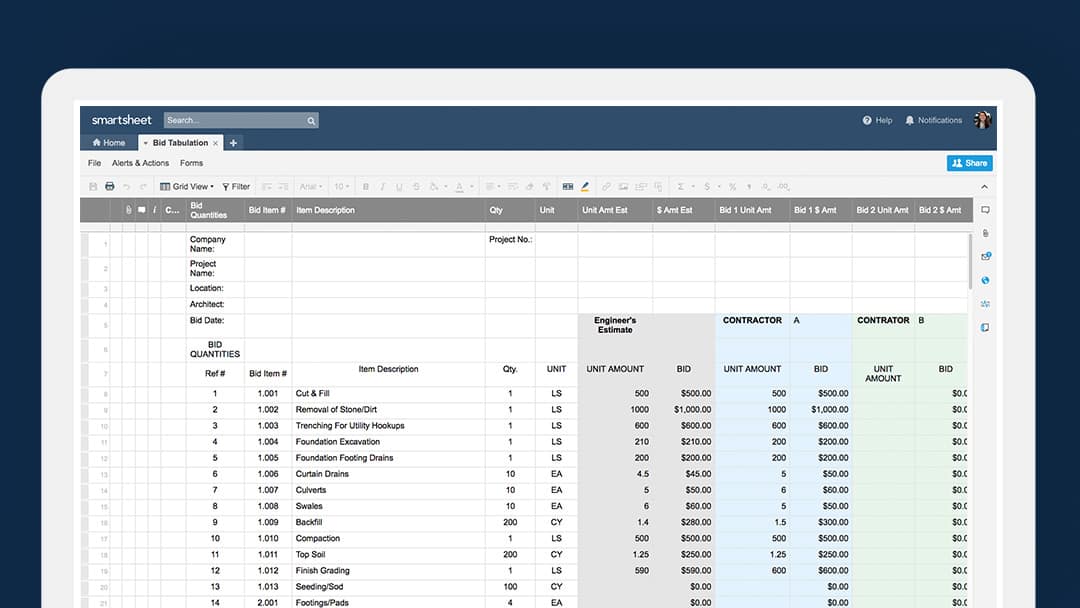
Bid Estimates
Contractors use bid estimates to price jobs competitively while protecting profit margins.
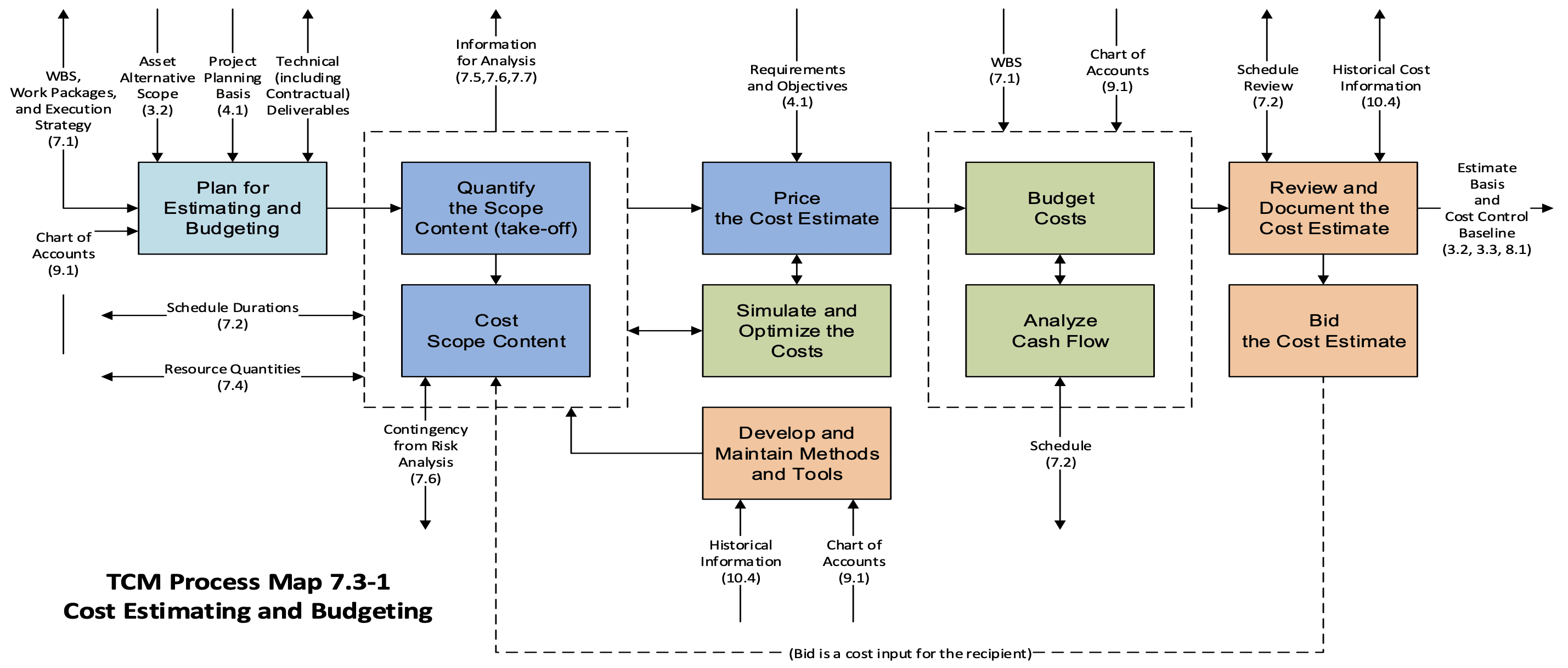
How a Construction Cost Estimator Works
Inputs: Materials, Labor, Equipment
Estimators gather quantities from drawings and specifications, then apply unit costs for materials, hourly labor rates, and equipment usage.
Regional Pricing and Market Conditions
Costs are adjusted for local conditions such as urban vs rural locations, availability of skilled labor, and regional demand.
Benefits of Using a Construction Cost Estimator
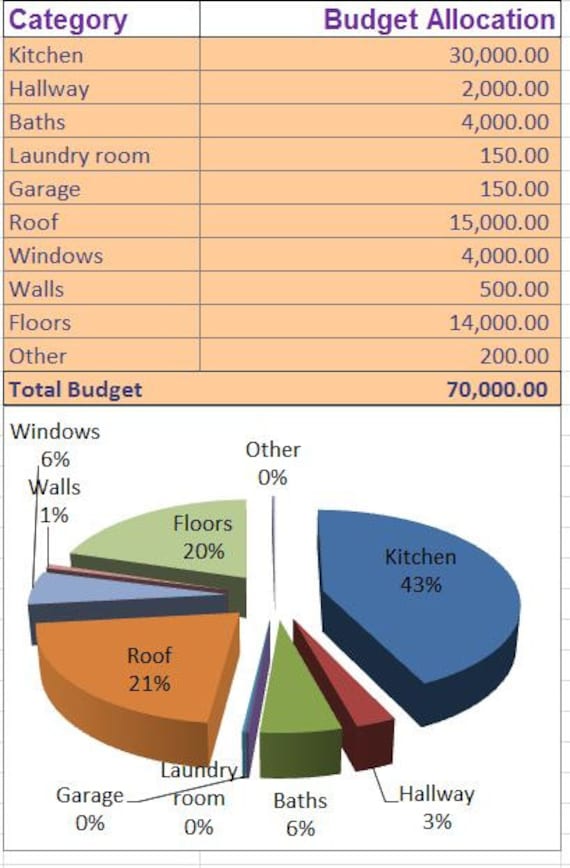
Budget Accuracy and Cost Control
Accurate estimates reduce surprises during construction and allow better cost tracking throughout the project.
Time Savings and Efficiency
Modern estimating tools automate calculations, freeing professionals to focus on planning and quality control.
Construction Cost Estimator Tools and Software
Manual vs Digital Estimating
Manual spreadsheets are low-cost but time-consuming and error-prone. Digital tools offer databases, templates, and real-time updates.
Cloud-Based Estimating Solutions
Cloud platforms enable collaboration, version control, and access from anywhere—ideal for multi-site projects across the USA.
Factors That Affect Construction Costs in the USA
Labor Rates and Regulations
Minimum wage laws, union agreements, and safety regulations directly impact labor costs.
Material Price Fluctuations
Prices for lumber, steel, and concrete can change rapidly due to global supply and demand.
Step-by-Step Guide to Using a Construction Cost Estimator
-
Define the project scope clearly
-
Collect drawings and specifications
-
Input quantities and unit costs
-
Adjust for location and contingencies
-
Review, validate, and update regularly
Common Mistakes to Avoid in Cost Estimation
-
Ignoring contingency allowances
-
Using outdated price data
-
Overlooking permits and fees
-
Failing to account for inflation
FAQs About Construction Cost Estimators
Q1: Who should use a construction cost estimator?
Contractors, architects, developers, and homeowners all benefit from accurate cost estimation.
Q2: Are online construction cost estimators reliable?
Yes, if they use updated regional data and allow customization.
Q3: How often should estimates be updated?
Estimates should be updated at every major design or market change.
Q4: Do estimators include labor and materials?
A complete estimator includes labor, materials, equipment, and overhead.
Q5: Can a construction cost estimator reduce project risk?
Absolutely. Accurate estimates improve planning and reduce financial risk.
Q6: Is a construction cost estimator useful for small projects?
Yes, even small renovations benefit from clear budgeting.
Conclusion
A Construction cost estimator is an essential tool for successful building projects in the USA. By providing accurate budgets, improving efficiency, and reducing risk, it supports smarter decisions from concept to completion. Whether you’re planning a small remodel or a large commercial build, reliable cost estimation is the foundation of success.
Blog-Ready Visuals