



Estimating Services for Construction: 7 Key Benefits You Can’t Ignore
December 9, 2025
Roof Estimating Services: The Ultimate Guide to Accurate Costs (2026 Edition)
December 10, 2025Introduction to Lumber Takeoff Service
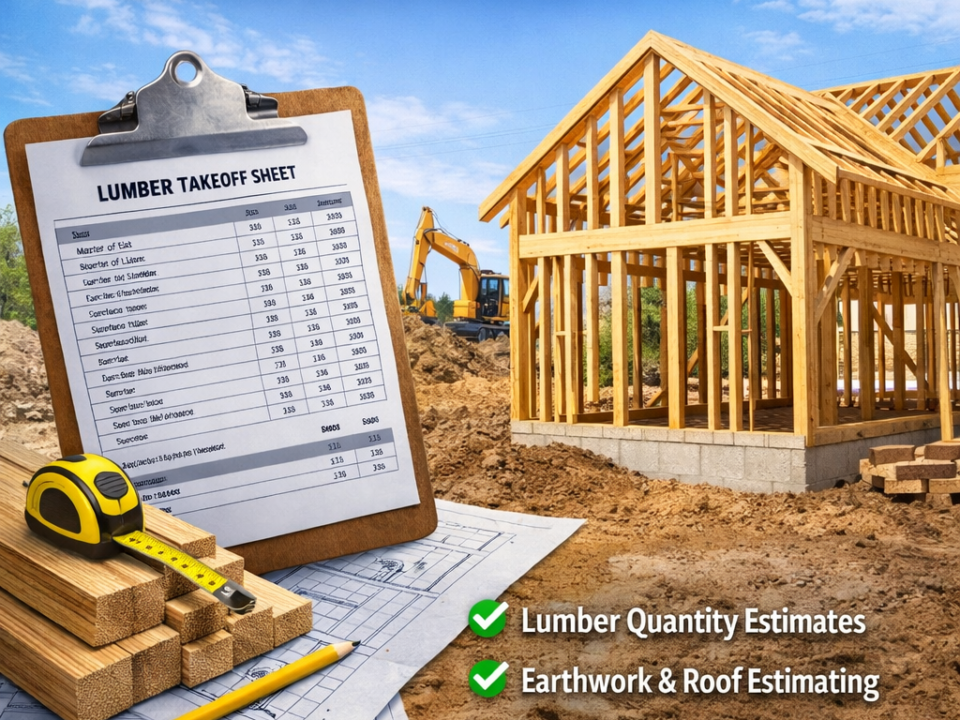
A lumber takeoff service is one of the most powerful tools a contractor can use to simplify material planning. In today’s fast-paced construction world, builders depend on accurate measurements and cost forecasting to stay profitable. That’s why services that quantify lumber materials precisely before a project begins have become essential.
By identifying every stick of wood needed—joists, studs, beams, rafters, and more—contractors can make smarter purchasing decisions. It also helps avoid costly overruns. In this article, we’ll explore why the lumber takeoff service has become so valuable and how it ties into the wider estimating ecosystem, including roof estimating services and MEP cost estimation.
What Is a Lumber Takeoff Service?
A lumber takeoff service calculates every piece of wood required for a construction project directly from architectural drawings. It includes dimensional lumber, sheathing, engineered wood products, decking, posts, beams, and more.
Professionals use digital estimating software to pull measurements straight from blueprints. This results in a cleaner, more accurate count than manual methods.
Why Accurate Lumber Takeoffs Matter
Accurate takeoffs make or break a project’s success. Even small miscalculations can cause major issues:
- Ordering too little lumber causes delays.
- Ordering too much wastes money and storage space.
- Inaccurate counts disrupt scheduling and budgeting.
By using a dedicated service, contractors maintain greater control over project spending and material flow.
Benefits of Using a Professional Lumber Takeoff Service
Hiring a professional estimating company can dramatically reduce the workload. Contractors no longer need to measure drawings manually, freeing time for project management and on-site activities.
Professional estimators use advanced tools to identify every material accurately. They also understand real-world jobsite applications, ensuring the takeoff reflects practical use—not just theoretical calculations.
How It Helps Contractors & Builders
Shorter timelines, predictable budgets, and fewer change orders are some of the biggest benefits. Builders gain peace of mind knowing the numbers are clean and verified.
Lumber Takeoff vs. Traditional Estimating
Traditional estimating often involves paper plans, hand tools, and spreadsheets. Digital takeoffs deliver results faster and with fewer errors. They also provide formatted reports ready for procurement teams.
Role in Residential Construction
In homebuilding, lumber takeoffs determine:
- Wall framing
- Roof framing
- Floor systems
- Exterior decks
- Garage structures
This helps homeowners and contractors budget confidently.
Role in Commercial Construction
Commercial projects require strict compliance. Lumber takeoff reports ensure framing schedules align with safety standards and engineering specifications.
How Lumber Takeoff Service Integrates With Roof Estimating Services
Roofing requires a deep understanding of structural wood needs. When lumber data aligns with roof estimating services, contractors achieve:
- Better truss calculations
- Accurate sheathing quantities
- More predictable labour planning
The synergy between these services creates smoother workflows.
Structural Wood Requirements in Roofing
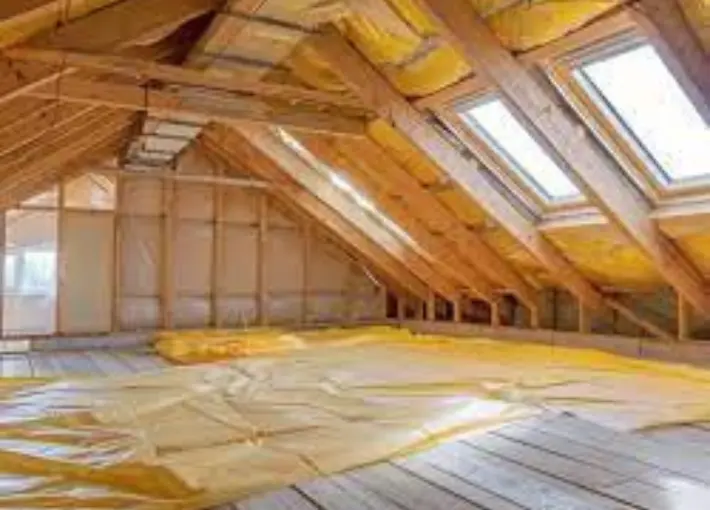
Materials such as rafters, ridge boards, collar ties, and OSB sheathing are essential for roof stability. A takeoff ensures these materials are counted precisely.
Technology Behind Modern Lumber Takeoffs
Estimators use software such as PlanSwift, Bluebeam, and STACK. These tools accelerate measurements, reduce human error, and create reusable templates for repeat projects.
How MEP Cost Estimation Complements Lumber Data
Pairing lumber takeoffs with MEP cost estimation gives builders a full-scope view of construction expenses. It helps coordinate:
- Mechanical equipment openings
- Electrical conduit paths
- Plumbing chases
This leads to cleaner layouts and reduced clashes.
Steps in a Professional Lumber Takeoff Service
A standard workflow follows:
- Reviewing architectural and structural drawings
- Importing plans into digital takeoff software
- Performing itemised measurements
- Creating a material list with quantities and descriptions
- Formatting and delivering the final report
Quality Standards to Expect
Professional estimators cross-check calculations and follow AACE cost-engineering guidelines. They also ensure reports are formatted consistently for easy purchasing.
Common Mistakes in Lumber Estimating
Manual estimating often leads to:
- Misidentifying framing members
- Missing elevation-specific details
- Double-counting materials
- Overcounting due to incorrect scaling
How Professionals Mitigate These Risks
Expert estimators rely on layers, colour coding, and audit trails to ensure every measurement is traceable.
Choosing the Right Lumber Takeoff Service Provider
When comparing estimating companies, look for:
- Experience with your project type
- Fast turnaround times
- Sample reports
- Knowledge of codes and standards
- Dedicated support teams
Questions to Ask Before Hiring
- Do you offer revisions?
- Are materials aligned with my preferred supplier?
- How long will the process take?
- What software do you use?
- Can you provide a sample takeoff?
Pricing Models for Lumber Takeoff Services
Pricing depends on:
- Square footage
- Drawing complexity
- Level of detail required
Some companies offer bulk discounts for builders with recurring projects.
Factors Influencing Cost
Complex multi-storey structures require deeper analysis than simple framing plans. Clear architectural drawings reduce estimating time—and cost.
Case Studies & Real-World Examples
Case Study 1: A residential builder cut framing waste by 12% using digital takeoff reports.
Case Study 2: A commercial contractor saved 40 work hours per month using outsourced estimating.
FAQs About Lumber Takeoff Service
1. What does a lumber takeoff service include?
A lumber takeoff service typically includes itemised counts of all framing materials. This covers studs, beams, headers, joists, rafters, trusses, and sheathing. The final report is designed to help contractors order materials without overbuying.
2. How long does a lumber takeoff usually take?
Turnaround times vary by project size. A simple residential plan may take 24–48 hours, while a large commercial project may require several days. Using digital tools significantly speeds up the process.
3. Who benefits most from outsourcing lumber takeoffs?
General contractors, framing contractors, homebuilders, and developers often outsource takeoffs to save time and reduce in-house labour. Estimating firms also support architects needing budget validation early in design.
4. How accurate is a professional lumber takeoff?
Accuracy depends on the clarity of the drawings and the estimator’s expertise. Reputable firms achieve accuracy levels above 95%, thanks to digital measurement software and quality-control checks.
5. Can a lumber takeoff help reduce jobsite waste?
Absolutely. By ordering the exact quantities needed, contractors avoid unnecessary over-ordering. This leads to cleaner job sites, reduced disposal costs, and better environmental stewardship.
6. How does it integrate with other estimating services like roofing or MEP?
A lumber takeoff service works seamlessly alongside roof estimating services and MEP cost estimation. When all takeoffs are aligned, builders gain a clearer picture of total project costs and minimise coordination issues.
Conclusion
A precise lumber takeoff service is more than a helpful tool—it’s a competitive advantage. With accurate counts, builders prevent waste, stay on schedule, and keep budgets under control. When combined with roof estimating services and MEP cost estimation, contractors get a complete, dependable estimating package that supports smarter decisions from planning to project completion.
Whether you’re a small builder or a large commercial contractor, outsourcing your takeoff needs can save hours of manual work and significantly reduce errors. If you’re looking for a reliable partner, BuildAnEstimate.com provides detailed material takeoffs and cost estimating across all trades.